
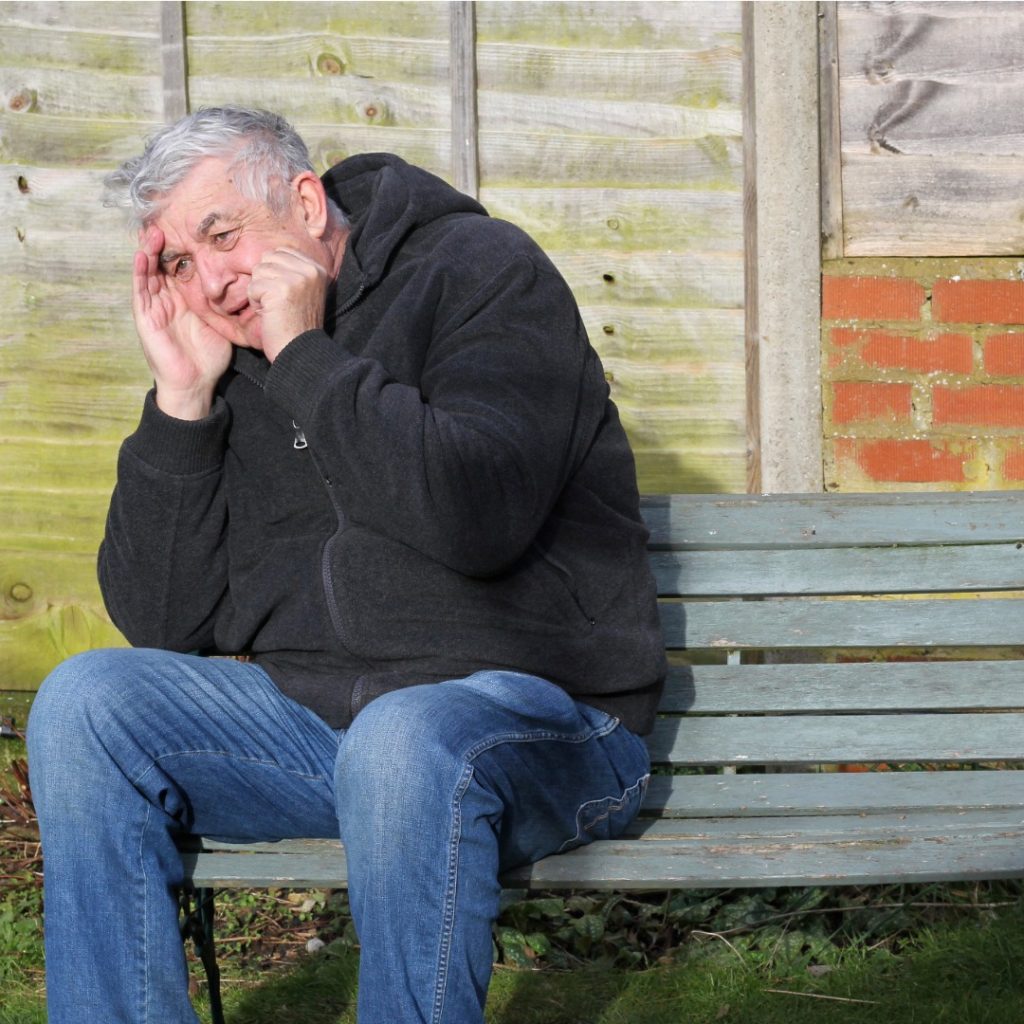
How to Cope with Panic Attacks: A Calm, Evidence-Based Guide
If you have ever been gripped by a racing heart, a tight chest and the overwhelming sense that something terrible is about to happen, you already know how frightening panic attacks can be. Learning how to cope with panic attacks is one of the most common reasons people reach out for professional support, and it is also one of the areas where evidence-based therapy can make the fastest, most tangible difference. This guide walks through what these episodes actually are, why they happen, and how to manage them both in the moment and over the longer term, drawing on the same cognitive behavioural approach used in clinical practice at MindKey Therapy.
Whether you have experienced a single frightening episode or you are living with a recurring pattern that shapes your daily choices, you are not alone, and you are not broken. This is a highly treatable response of the body’s threat system, and with the right support, most people learn to manage and significantly reduce how often it happens.
Table of Contents
- What Is a Panic Attack?
- Common Symptoms
- What Causes Panic Attacks?
- Panic Attacks, Panic Disorder and Anxiety: What’s the Difference?
- How to Cope with Panic Attacks in the Moment
- How to Cope with Panic Attacks Long Term: The Role of CBT
- Calming an Overactive Nervous System
- Panic at Work: A Common but Rarely Discussed Struggle
- Everyday Habits That Support Recovery
- When to Seek Professional Support
- How MindKey Therapy Can Help
- Frequently Asked Questions
- Final Thoughts
What Is a Panic Attack?

A panic attack is a sudden surge of intense fear or discomfort that peaks within minutes, even though there may be no real danger present. According to the NHS, these episodes typically last between five and twenty minutes, although the physical after-effects, such as fatigue and shakiness, can linger for much longer. During an attack, the body’s fight-or-flight response fires as though it were facing a genuine threat, flooding the system with adrenaline and preparing you to run, fight or freeze, even when the “danger” is entirely internal.
This is one of the most important things to understand when learning how to cope with panic attacks: the sensations, however terrifying, are not dangerous in themselves. They are a misfiring of a survival mechanism that has served humans well for thousands of years, just triggered at the wrong moment. Understanding this distinction, between feeling unsafe and actually being unsafe, is often the first step towards recovery.
Common Symptoms
Panic attacks can look different from person to person, but Mind and the NHS both describe a similar cluster of physical and psychological symptoms, which can include:
- A racing, pounding or irregular heartbeat
- Chest pain or tightness, which can feel alarmingly similar to a heart attack
- Shortness of breath, gulping for air, or hyperventilation
- Sweating, trembling or shaking
- Nausea or churning stomach
- Dizziness, light-headedness or feeling faint
- Numbness or tingling in the hands, feet or lips
- A sense of unreality, sometimes described as feeling detached from your body or surroundings (depersonalisation or derealisation)
- An overwhelming urge to escape the situation
- A fear of dying, losing control or “going mad”
Because so many of these symptoms overlap with medical emergencies, it is common for people experiencing their first episode to call an ambulance or attend A&E. This is a completely understandable response, and if you are ever genuinely unsure whether what you are experiencing is a panic attack or a medical emergency, you should always seek urgent medical attention first.
What Causes Panic Attacks?
There is rarely a single cause. Instead, these episodes tend to emerge from a combination of factors, including genetics, temperament, life stress, and learned patterns of thinking. Common contributing factors include:
- Prolonged stress, such as work pressure, financial worry, bereavement or relationship breakdown, which keeps the nervous system in a heightened state
- Major life changes, including moving house, starting a new job, becoming a parent, or health scares
- Unprocessed trauma, where the body continues to react to old danger long after the event has passed
- Health anxiety, where physical sensations are misread as signs of serious illness, fuelling further distress
- Caffeine, alcohol or substance use, which can trigger or intensify physical symptoms
- Sleep deprivation, which lowers your threshold for coping with everyday stress
It is worth noting that these attacks can also happen entirely “out of the blue”, with no obvious trigger, which is often what makes them so distressing. Not knowing why an episode happened can fuel a fear of the next one, creating a cycle that maintains the problem long after the original stressor has passed.
Panic Attacks, Panic Disorder and Anxiety: What’s the Difference?
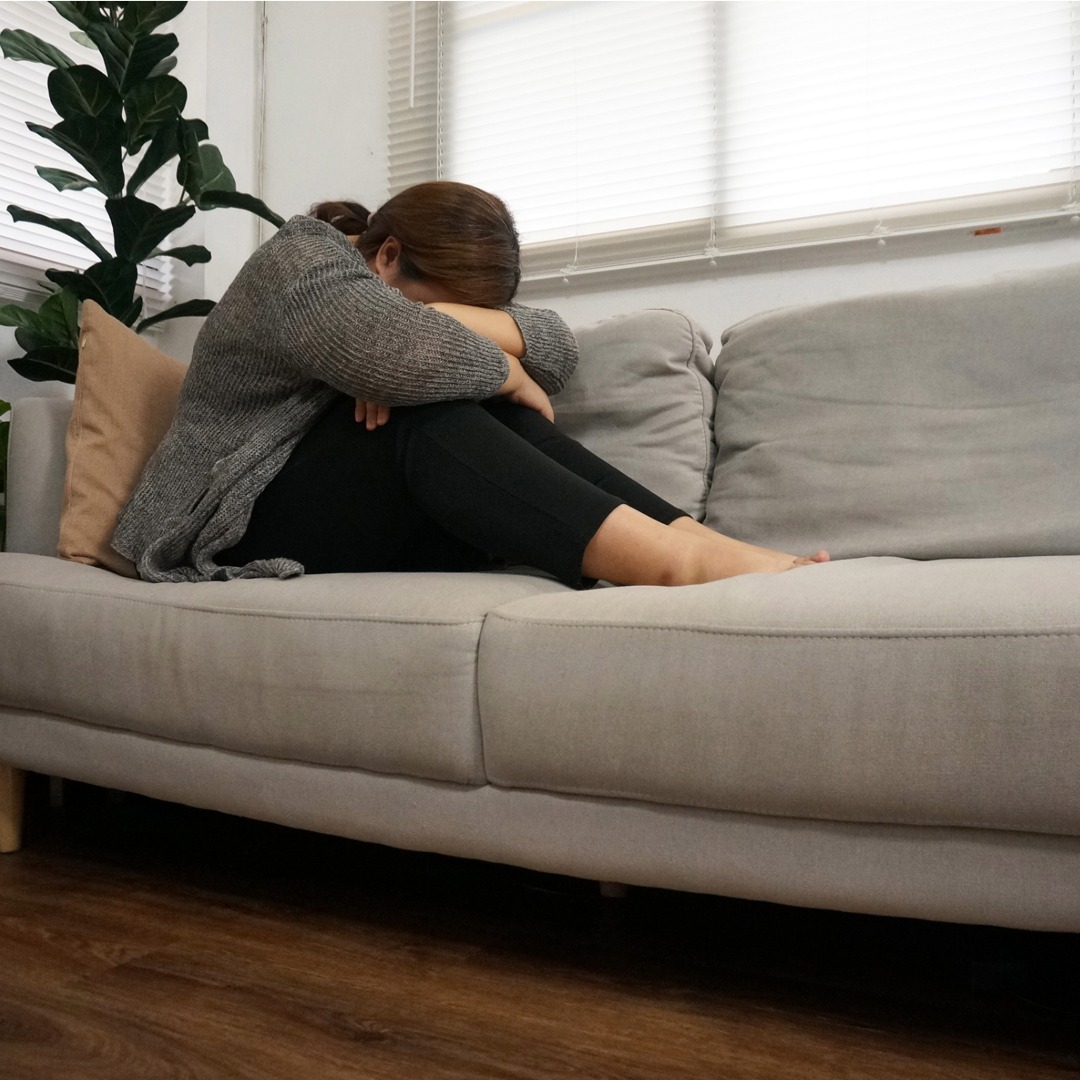
A single panic attack, on its own, does not necessarily mean you have a diagnosable condition. Many people experience one or two isolated episodes during a particularly stressful period and never have another. Panic disorder, by contrast, is diagnosed when these episodes are recurrent and unexpected, and are followed by at least a month of ongoing worry about having a further one, or by significant changes in behaviour to avoid them, such as avoiding public transport, crowded spaces or leaving the house altogether.
Research summarised in UK general population studies suggests panic disorder affects around 1.7% of UK adults, with many more experiencing subthreshold symptoms that still cause real distress. Panic can also occur alongside other forms of anxiety, including generalised anxiety disorder, social anxiety and agoraphobia, which is why an accurate assessment with a qualified therapist matters before starting treatment.
How to Cope with Panic Attacks in the Moment
When panic strikes, the instinct is often to fight it, which can unfortunately make things worse. The following strategies are drawn from CBT and are widely recommended by the NHS and UK mental health charities as ways to manage an attack while it is happening.
1. Name What Is Happening
Simply saying to yourself, “this is a panic attack, it is frightening but it is not dangerous, and it will pass” can interrupt the spiral of catastrophic thinking that keeps the episode escalating.
2. Slow Your Breathing
Hyperventilation feeds panic by disrupting the balance of oxygen and carbon dioxide in your blood. Try breathing in slowly for a count of four, holding briefly, and breathing out for a count of six. A longer out-breath activates the body’s natural calming response.
3. Ground Yourself in the Present
Grounding techniques, such as naming five things you can see, four you can hear, three you can touch, two you can smell and one you can taste, help pull attention away from internal sensations and back into the present moment.
4. Stay Where You Are, If You Safely Can
Leaving a situation the moment fear rises can provide short-term relief, but it can also reinforce the belief that the place or situation was dangerous, making avoidance more likely next time. Where it is safe to do so, staying put and riding out the wave, even briefly, teaches your brain that the sensations are survivable.
5. Avoid Reaching for “Safety Behaviours”
Things like gripping a wall, distracting yourself constantly, or checking your pulse repeatedly can feel protective in the moment but often prolong anxiety in the long run by preventing you from learning that you can cope without them.
These in-the-moment tools are genuinely helpful, but they work best as part of a wider plan. Learning how to cope with panic attacks sustainably usually means addressing the underlying patterns that keep the cycle going, not just managing each episode as it arises.
How to Cope with Panic Attacks Long Term: The Role of CBT
Cognitive Behavioural Therapy (CBT) is the treatment recommended by NICE as a first-line intervention for panic disorder in adults, alongside medication where appropriate. CBT works by helping you understand and gradually change the cycle of thoughts, physical sensations and behaviours that keep the problem going.
In practice, this typically involves:
- Psychoeducation: understanding exactly what is happening in your body during an episode, which reduces the fear of the fear itself
- Cognitive restructuring: identifying and gently challenging catastrophic interpretations of physical sensations, such as “my chest is tight, therefore I am having a heart attack”
- Interoceptive exposure: safely and gradually reintroducing the physical sensations associated with panic (such as a raised heart rate through light exercise) in a controlled way, so the brain learns they are not dangerous
- Graded exposure: slowly and collaboratively facing avoided situations, building confidence step by step rather than all at once
- Relapse prevention: building a toolkit you can rely on independently once therapy ends
A large body of research, including systematic reviews published in The British Journal of Psychiatry, has found CBT to be consistently more effective than treatment as usual for panic disorder, whether delivered individually, in guided self-help format, or face to face. Sessions with a BABCP-accredited CBT therapist follow a clear, structured framework, which many people find reassuring precisely because the experience itself can feel so chaotic and unpredictable.
Where the underlying cause is rooted in earlier trauma, an approach such as EMDR (Eye Movement Desensitisation and Reprocessing) may also be recommended, either alongside or instead of CBT, to help the nervous system process the original distressing experience rather than continuing to react to it in the present.
Calming an Overactive Nervous System
Panic attacks are, at their core, a nervous system problem. For some people, the sympathetic nervous system, the body’s accelerator, becomes chronically primed to fire at the smallest provocation. Alongside talking therapy, nervous system regulation work can help lower this baseline sensitivity over time, making individual episodes less frequent and less intense.
This might include paced breathing practice outside of moments of crisis (so it becomes second nature when you need it), gentle movement, time in nature, and building a daily rhythm that gives your body regular signals of safety rather than constant low-level alertness. Many people who struggle with panic also experience overthinking and disrupted sleep, both of which can be addressed as part of a wider treatment plan.
Panic at Work: A Common but Rarely Discussed Struggle
One setting where these episodes cause particular difficulty is the workplace. A racing heart in a meeting room, or a sudden wave of dread before a presentation, can feel especially exposing when colleagues are watching. Many people go to considerable lengths to hide what is happening, slipping away to a bathroom or car park, which can add a further layer of shame and exhaustion on top of the original distress.
If this sounds familiar, you are far from unusual. Work pressure, tight deadlines, difficult relationships with managers or colleagues, and the low-grade dread of an overflowing inbox are all common contributors to a heightened threat response. Some people find it helpful to identify a discreet grounding technique they can use at their desk, such as pressing their feet firmly into the floor and slowing their breathing, without needing to explain themselves to anyone. Others find that the underlying issue is less about work itself and more about long-standing patterns of perfectionism or fear of failure, which a therapist can help unpick over time.
Persistent work-related distress can also contribute to burnout, and it is worth being honest with your GP or employer if it is affecting your ability to function, particularly if you are using sick leave to manage it. You are entitled to appropriate support, and addressing the root cause tends to be far more sustainable than simply pushing through.
Everyday Habits That Support Recovery
While therapy addresses the root causes of the problem, small everyday adjustments can meaningfully support the process:
- Reduce caffeine and alcohol, both of which can mimic or intensify physical symptoms
- Prioritise sleep, since tiredness lowers your resilience to stress
- Move your body regularly, which helps regulate stress hormones and, over time, can reduce sensitivity to the physical sensations that trigger an episode
- Limit distressing news consumption, particularly if you notice that anxiety from the news tends to spill over into panic symptoms
- Talk about it, rather than suffering in silence; this problem thrives on secrecy and shame, and simply being understood can reduce its power
None of these steps are a substitute for professional support if episodes are frequent or significantly affecting your life, but they can meaningfully complement therapy.
When to Seek Professional Support

It is worth speaking to a professional if you notice any of the following:
- You are having panic attacks more than once and are starting to worry about the next one
- You are avoiding places, situations or activities because you are afraid of triggering an episode
- Panic is affecting your work, relationships or daily functioning
- You feel exhausted, on edge, or unable to relax in between
- Self-help strategies alone are not making enough of a difference
You do not need to wait until things become severe before reaching out. Early support often means a shorter, more straightforward course of treatment, and therapy for anxiety and panic is available whether you are dealing with your first episode or years of recurring attacks.
How MindKey Therapy Can Help
At MindKey Therapy, Emma Gough is a BABCP Accredited Cognitive Behavioural Therapist with over 15 years of clinical experience and EMDR Europe training, working with adults experiencing panic attacks, panic disorder and related anxiety conditions. Sessions are grounded in evidence-based practice and follow BABCP ethical standards, meaning you can expect a structured, transparent and collaborative approach to your care.
Both online and in-person appointments are available, with in-person sessions serving Wrexham and the wider region, including Chester, Shropshire, and across North Wales. Standard sessions are one-to-one and cost Session lengths are flexible, depending on the therapy., with a 24-hour cancellation policy to allow flexibility for both client and therapist. If you are unsure whether therapy is the right next step, the guide on how to choose a therapist may help you feel more confident about what to look for.
Every treatment plan is tailored to the individual. For some people, that means a focused course of CBT targeting these symptoms directly; for others, particularly where the problem has developed alongside earlier trauma, it may involve EMDR or trauma-focused approaches to address the underlying causes rather than just the symptoms.
Frequently Asked Questions
How long does it take to learn how to cope with panic attacks?
Many people notice a meaningful reduction in the frequency and intensity of their symptoms within a handful of CBT sessions, though the full course of treatment varies depending on individual circumstances, typically ranging from six to twenty sessions.
Can panic attacks come back after treatment?
It is possible, particularly during periods of high stress, but the tools learned in therapy remain with you. Most people who have completed CBT for panic feel far better equipped to manage any recurrence quickly, often preventing a single episode from spiralling back into a pattern.
Is medication necessary to cope with panic attacks?
Not always. NICE guidance recognises both psychological therapy and medication as effective options, and many people manage the condition successfully with therapy alone. Where medication is helpful, this is usually discussed with a GP alongside, rather than instead of, talking therapy.
What is the difference between a panic attack and an anxiety attack?
“Anxiety attack” is not a formal clinical term, but is often used to describe a build-up of anxiety that is more gradual and prolonged than an episode of panic, which tends to peak suddenly and intensely within minutes.
Final Thoughts
Learning how to cope with panic attacks is rarely about eliminating fear altogether. It is about understanding what is happening in your body, building genuine confidence that the sensations are survivable, and, where needed, working through the deeper patterns that keep the cycle in place. With the right support, episodes that once felt uncontrollable can become manageable, infrequent, or a thing of the past entirely.
You do not have to work this out alone. Organisations such as Anxiety UK, No Panic and the Mental Health Foundation offer excellent self-help resources, and a qualified therapist can help you go further, addressing the root causes so that fear no longer dictates your choices. You can also find further NHS guidance on managing anxiety, fear and panic, and search for a registered practitioner via the British Association for Behavioural and Cognitive Psychotherapies (BABCP).
Get Started
To find out how CBT could help you cope with panic attacks, email [email protected], call 07487 373628, or visit mindkeytherapy.co.uk to get started.